


It looks like beef, it cooks like beef, it satisfies like beef – and yet ostrich is something entirely its own. For a country that has been farming these extraordinary birds since the 1860s, it is remarkable that ostrich still comes as a surprise to so many diners. At Belthazar, we think that is about to change.
Ostrich occupies a rare and enviable position in the world of protein: it is classified as red meat in every culinary sense – deep in colour, rich in character, cooked and enjoyed just like a steak – and yet its nutritional profile is closer to chicken breast. With just 1% fat, ostrich is dramatically leaner than beef, lower in calories and cholesterol than chicken, and remarkably high in protein, iron, vitamin B6, phosphorus and manganese, making it a particularly valuable choice for those watching their heart health or managing blood pressure. The secret lies in how ostriches live. Because they are active birds, their muscles develop high levels of myoglobin – the same protein that gives beef its red colour – without accumulating the intramuscular fat that comes from grain-fed, sedentary cattle.
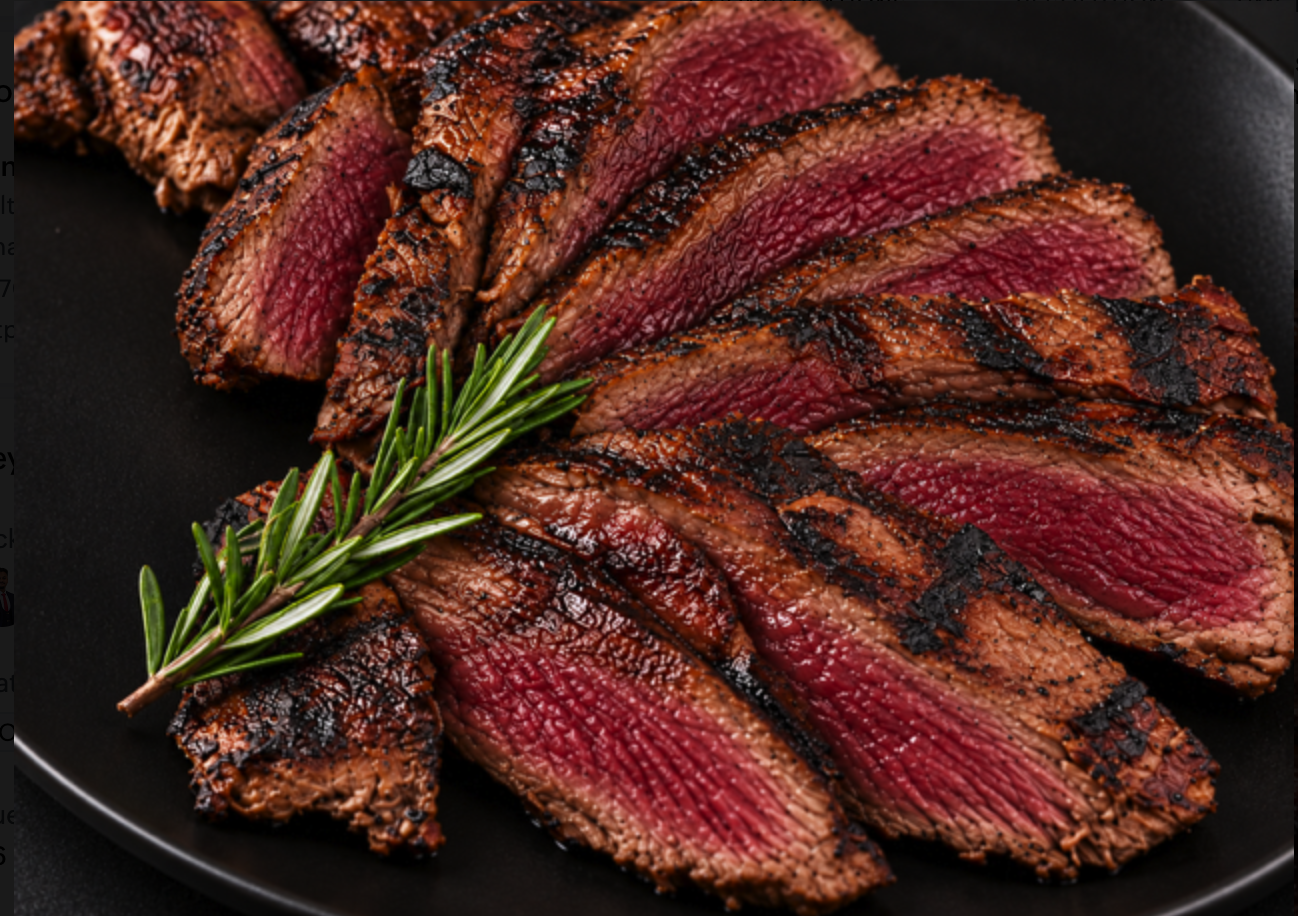
Ostrich meat is a deep, wine-red colour – darker and richer than a ribeye, closer in hue to venison. Cooked, it holds its shape without the shrinkage you’d expect from beef, because the lower fat content means less moisture loss on the grill. The flavour is clean and savoury, nutty, slightly leaner than grain-fed beef, with a faint hint of the gamey depth you might associate with grass-fed cattle or veal.
South Africa’s commercial ostrich farming began in the 1860s in the arid reaches of the Karoo and Eastern Cape, where the birds’ natural preference for hot, dry, open landscapes made them perfectly suited to the terrain. The industry’s early boom was driven entirely by fashion: ostrich feathers were among the most sought-after luxury goods of the late 19th century, fetching extraordinary prices in Europe and America. In 1865, there were just 80 tame ostriches in the country; a decade later, that figure had risen to over 32,000. For a time, South Africa held a near-monopoly on ostrich supply, with strict laws preventing the export of live birds. When the feather market collapsed after the First World War, the industry pivoted towards meat, leather and skin. The first ostrich abattoir opened in 1950, and the town of Oudtshoorn in the Western Cape, long considered the ostrich capital of the world, remains the heart of the industry today.
If ostrich’s flavour and health credentials are compelling, its environmental footprint is remarkable. Producing 500g of ostrich meat requires roughly a third of the fresh water used in beef production, one-fiftieth of the land, and generates less than a tenth of the greenhouse gas emissions. Almost nothing is wasted. Ostrich leather is used for luxury goods worldwide. Even the eggs and bones have their uses. For a meat that eats like premium beef and carries the sustainability credentials of poultry, ostrich represents something genuinely rare: an indulgence you can feel good about.
Join us at Belthazar and let us show you what this extraordinary bird is capable of. Once you’ve tried ostrich, beef will have some serious competition.

28 October 2026
