

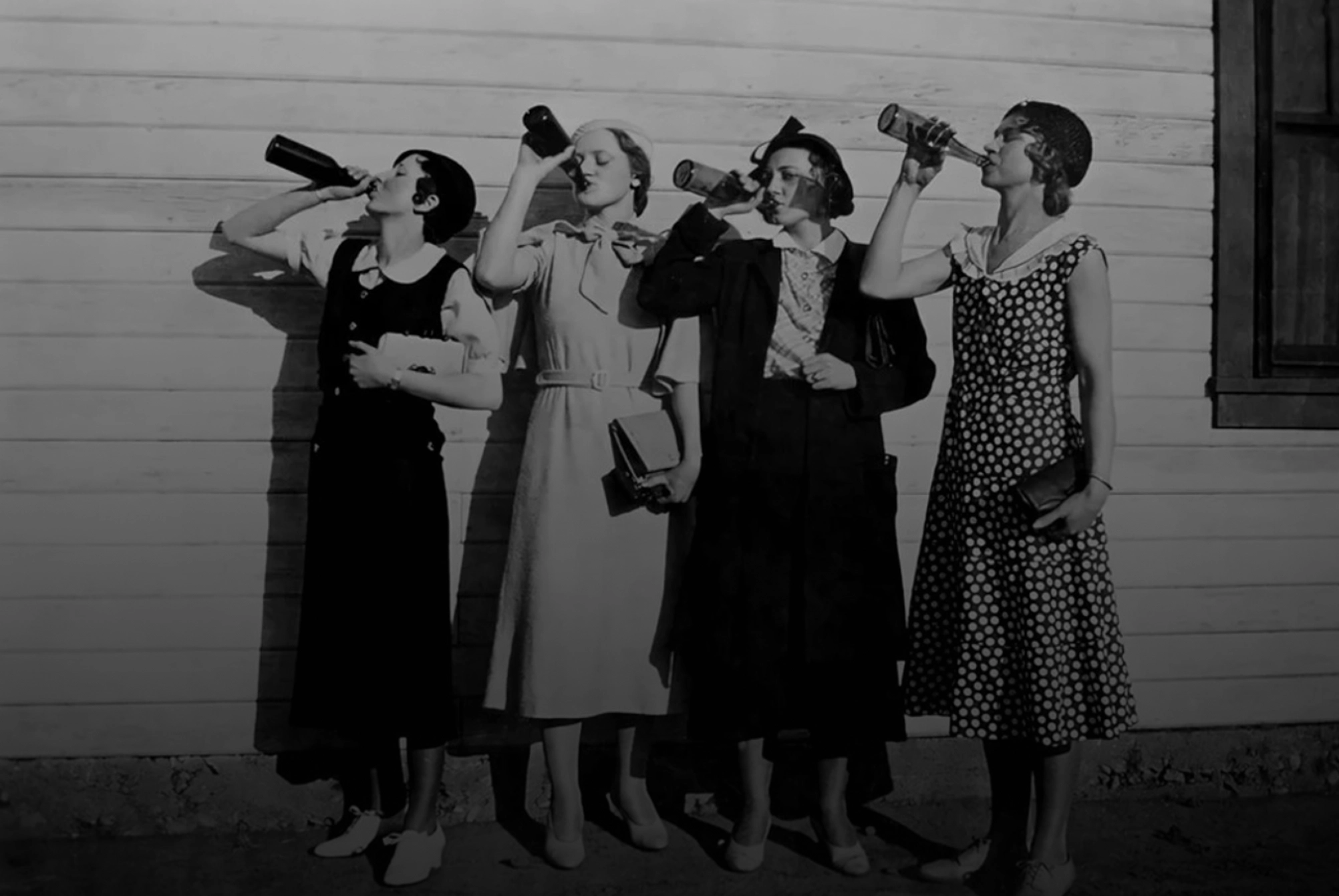

Beer has been around longer than most things we take for granted. The oldest known barley brew dates to around 3400 BC. The Babylonians had twenty recipes for it. The pyramid builders were paid in it. Somewhere between then and now, it became the most consumed beverage on the planet – and spawned a remarkable range of styles along the way. Crisp lagers, aromatic pale ales, aggressively hoppy IPAs, rich and roasted stouts: each one is a different expression of the same basic ingredients, shaped by yeast, temperature and the brewer’s intentions. At Belthazar, we believe every glass should be worth drinking – and that starts with knowing what to order.
Almost every beer belongs to one of two broad families: lagers or ales. Lagers use bottom-fermenting yeast at cold temperatures, producing crisp, clean results. Ales use top-fermenting yeast at warmer temperatures, giving more aromatic, fruit-forward profiles. Neither is superior – they simply offer different things.
Lager
The world’s most widely consumed beer style, and for good reason. Crisp, clean and thirst-quenching, a well-made lager asks very little and delivers a great deal. Cold fermentation and extended lagering – from the German word simply meaning “to store” – give it its distinctive smoothness. Serve cold, drink fresh, and pair with almost anything from charcuterie to a perfectly seasoned steak.
Pilsner
Lager at its most refined. Born in the Czech city of Pilsen in the nineteenth century, the pilsner arrived pale gold, brilliantly clear and noticeably hoppy – and promptly took the world by storm. Czech versions are soft and rounded; German ones lean drier and crisper. Both are technically demanding to brew well, with malt sweetness and hop bitterness in quiet harmony. Pair with lightly fried dishes, grilled fish or a fresh salad.
Ale
If lager is about precision, ale is about personality. Character-driven and occasionally unpredictable, ales carry fruit, spice, earthiness and depth in ways lagers seldom attempt. The category is vast – from delicate pale ales to punishing imperial stouts – and endlessly interesting once you start paying attention.
IPA
Originally brewed in England with extra hops to survive the sea voyage to India, the IPA has since evolved into an entire universe of sub-styles. What unites them is the hop – responsible for aromas of citrus, pine, passionfruit, mango and earth, depending on variety. IPAs are particularly good alongside spicy food, oily fish, blue cheese and richly flavoured dishes where their bitterness does the work a squeeze of lemon might otherwise do.
Pale Ale
The approachable entry point into ales – balanced, food-friendly and easy to enjoy. Lower in alcohol and bitterness than an IPA, it offers biscuity malt character alongside moderate hop aroma: citrus and floral, or earthy and herbal depending on the style. A reliable companion to burgers, roast chicken or sharp cheddar.
Stout
Dark, brooding and deeply satisfying. Made with roasted barley that imparts coffee, dark chocolate and caramel, stouts range from the dry and austere – think Guinness – to milk stouts enriched with lactose or imperial stouts aged in bourbon barrels. Despite appearances, well-made stouts are rarely heavy-handed. They are magnificent with grilled red meats, oysters, hearty stews and rich chocolate desserts.
Whether you are drawn to the crispness of a well-poured pilsner, the citrus punch of an IPA or the dark, roasted depth of a stout alongside one of our aged steaks, there is a beer worth exploring at Belthazar.

