


Say “Chardonnay” and watch the room divide. There are those who reach for it without hesitation – the sommelier’s darling, the dinner table’s most reliable friend – and those who have been put off by a bad bottle of over-oaked, over-buttered excess. Both camps, it turns out, are reacting to entirely different wines. Because Chardonnay is not a single style. It is a spectrum.
Chardonnay is the world’s most widely planted white grape, and its dominance is earned rather than assumed. The variety is famously neutral – a strength, not a weakness. It absorbs the character of its soil, its climate and every decision made in the cellar with unusual responsiveness. In cooler growing regions, it’s lean and electric – green apple, lemon zest, wet stone, a fine streak of minerality. In warmer climates, or in the hands of a winemaker who favours oak and time on lees, it shifts entirely: richer stone fruit, peach and mango, vanilla, toasted brioche and that famous silky, buttery mouthfeel that comes from malolactic fermentation.
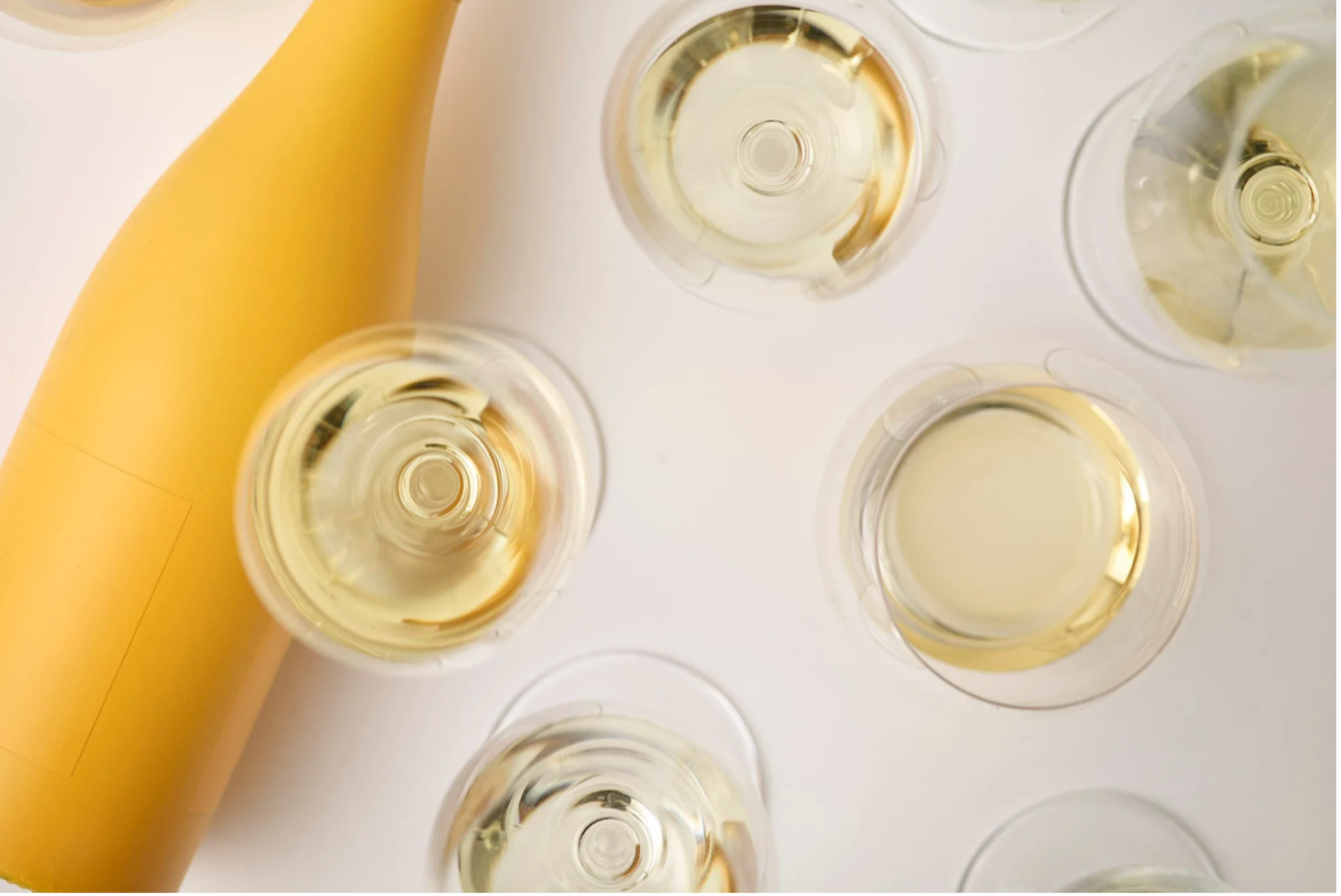
Chardonnay’s roots stretch back to Burgundy, where it has been growing since at least the 14th century. The Cistercian monks of the region were its earliest champions, meticulously documenting vineyard conditions and pioneering the concept of terroir – the idea that where a grape grows shapes what ends up in your glass. Their legacy gave the world Chablis, Meursault and Puligny-Montrachet, names that still represent the gold standard for what Chardonnay can be. From Burgundy, the grape spread steadily outward: to Champagne, where it forms the backbone of Blanc de Blancs; to California, where the 1980s brought opulent, oak-forward styles that made it the best-selling white wine in the world; to Australia, New Zealand, Chile and beyond. Each region reshaped it slightly, and Chardonnay, ever the chameleon, adapted without complaint.
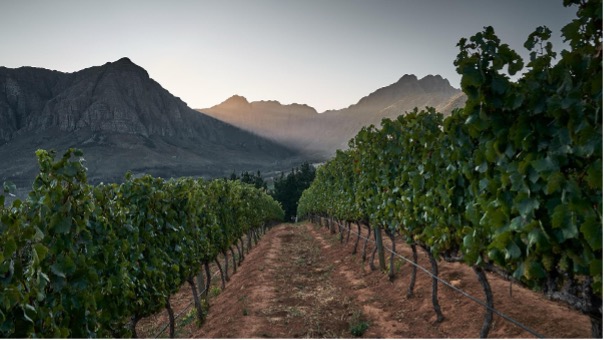
But South Africa’s Chardonnay story begins… outside the strict realms of the law. In the late 1970s, the country’s wine industry was a tightly controlled world: the regulatory body KWV decided which grapes could be grown, and the process for introducing a new variety took the better part of two decades. A handful of passionate winemakers decided to take matters into their own hands. In 1980, a cutting from the Clos des Mouches vineyard outside Beaune was sent home concealed in a journalist’s luggage. The cuttings were contraband, the act was illegal, and the commission that investigated the affair ultimately ruled in the defendants’ favour.
In the four decades since, the results have been extraordinary. From the chalky Robertson soils where De Wetshof first planted those smuggled vines, to the cool, wind-buffeted slopes of Elgin and the celebrated ocean-mist-clinging vines of Hemel-en-Aarde, South African Chardonnay has developed a character all of its own. As Emul Ross, winemaker at Hamilton Russell Vineyards, puts it: “No other white wine expresses its address the way Chardonnay does.”
At Belthazar, our Chardonnay list is a celebration of that diversity – from cool-climate wines of precision and poise to richer, barrel-aged expressions. Whether you’ve always loved Chardonnay or you’re ready to give it a second chance, our sommeliers will find the bottle that changes your mind entirely.
27 May 2026
