


The tomato has no business being this popular. Once dismissed as poisonous, Europeans grew it in their gardens for decoration. Now, more tomatoes are produced across the globe each year than any other fruit – over 170 million tonnes of them, across more than 20,000 varieties. No other ingredient is quite so democratic. It appears on fine dining menus and street food carts with equal confidence. It holds the pizza together, anchors the pasta sauce, and somehow makes a Bloody Mary feel like breakfast. At Belthazar, we have a deep respect for ingredients that do more than they are asked – and few do more than the tomato.
The tomato’s origins lie deep in the Andes of South America. Indigenous peoples in what is now Peru and Ecuador cultivated it, carrying it northward through Central America and into Mexico, where the Aztecs called it tomatl (“plump fruit”). The Spanish arrived in the early sixteenth century, and brought it back across the Atlantic. What followed was one of the more extraordinary cases of collective culinary misjudgement in history. The tomato, member of the nightshade family, was viewed with deep suspicion across Europe due to its resemblance to deadly belladonna and referred to as “poison apple”. In France, it became the pomme d’amour, a love apple, valued more as an aphrodisiac novelty. Many simply grew it as an ornamental plant.
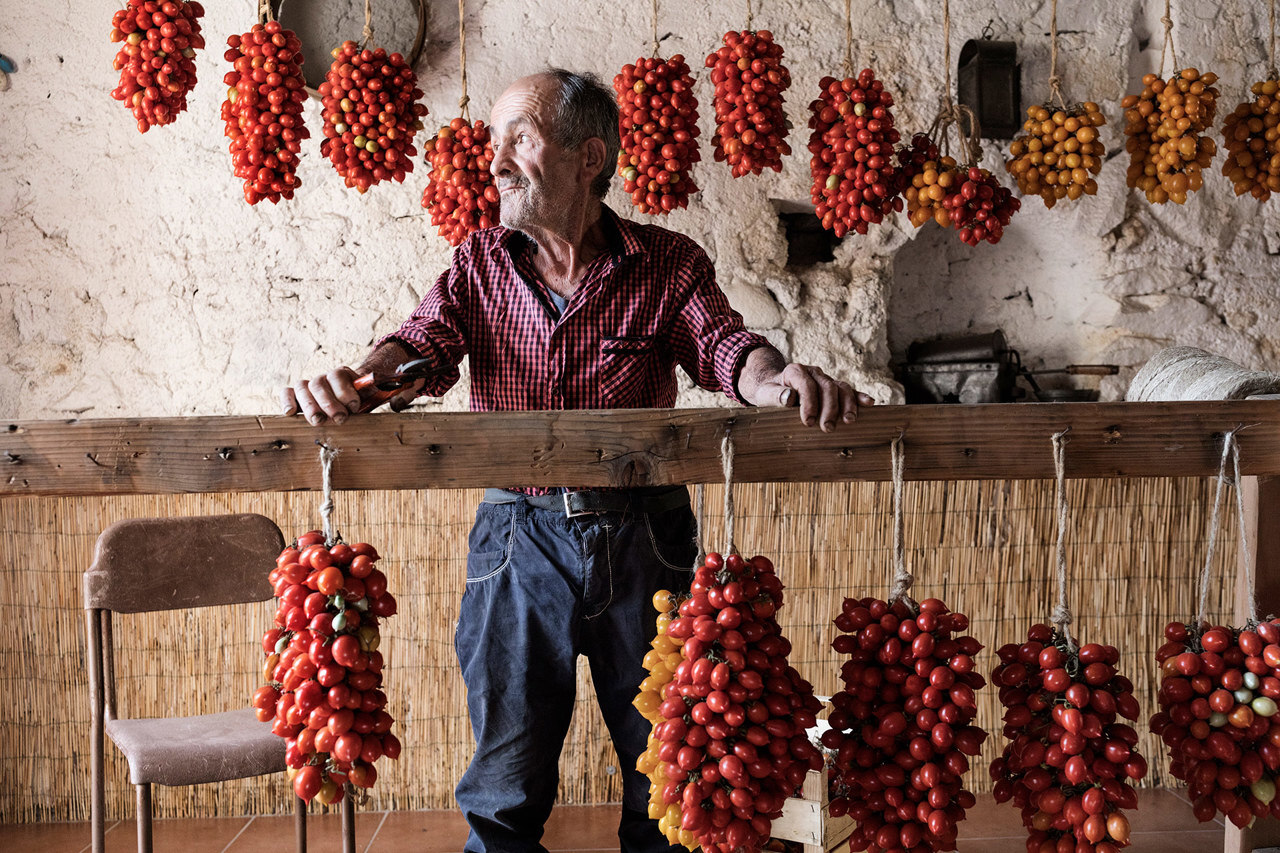
It was Italy that finally gave the tomato the kitchen it deserved. By the late seventeenth century, southern regions with their volcanic soils and Mediterranean warmth had begun experimenting. The first known tomato sauce recipe dates back to 1692. From there, its march through Italian cuisine was unstoppable, and by the nineteenth century, the tomato had paired itself so completely with pasta that the rest of the world assumed it had always been so. The Industrial Revolution sealed its global fate: canning technology meant tomatoes could travel, be preserved, and feed populations year-round. The tomato had pulled off one of history’s great reversals: from suspected poison to planetary staple in under three hundred years.
A great tomato offers a balance of sweet, sour and umami that few other ingredients can match alone. It is also this complexity that makes it so adaptable in the kitchen. Sliced raw, it delivers freshness and acidity. Slow-cooked into a sauce, it becomes silk. Sun-dried or preserved, it intensifies into something almost meaty in its depth. Chefs across the world reach for heirloom varieties – fat, ribbed and imperfect-looking, but astonishing in flavour – to add colour, complexity and personality to their dishes. It is a reminder that the best ingredients rarely need elaborate treatment: they need understanding and respect.
At Belthazar, we share the tomato’s philosophy: that the finest results come from exceptional ingredients treated with care. Some things conquer the world for very good reason. Let us remind you why.
30 APRIL 2026
