


Nestled in the heart of South Africa’s Breede River Valley along the iconic Route 62, Robertson can often be overlooked in favour of the gabled glitz of Stellenbosch, the ruggedness of the Swartland or the cool-climate “it” factor of the Hemel-en-Aarde – but the discerning wine drinker knows, do so at your peril. Known as the Valley of Wine and Roses, Robertson has long been the quiet backbone of the South African wine industry.
The town was established in 1852 and named after Dr William Robertson, a Scottish minister whose connection to the area was, frankly, modest: he visited quarterly to hold services on a local farm. The valley’s early economy ran on sheep, wagons and, later, ostrich farming, which boomed on the back of Victorian demand for feathers before collapsing entirely after the First World War. Farmers pivoted to wine. By 1941, Robertson Winery had opened in a converted missionary church, and the slow work of understanding what this particular terroir could produce had begun. It would take several more decades – and the arrival of serious Chardonnay – for the rest of the wine world to catch up.
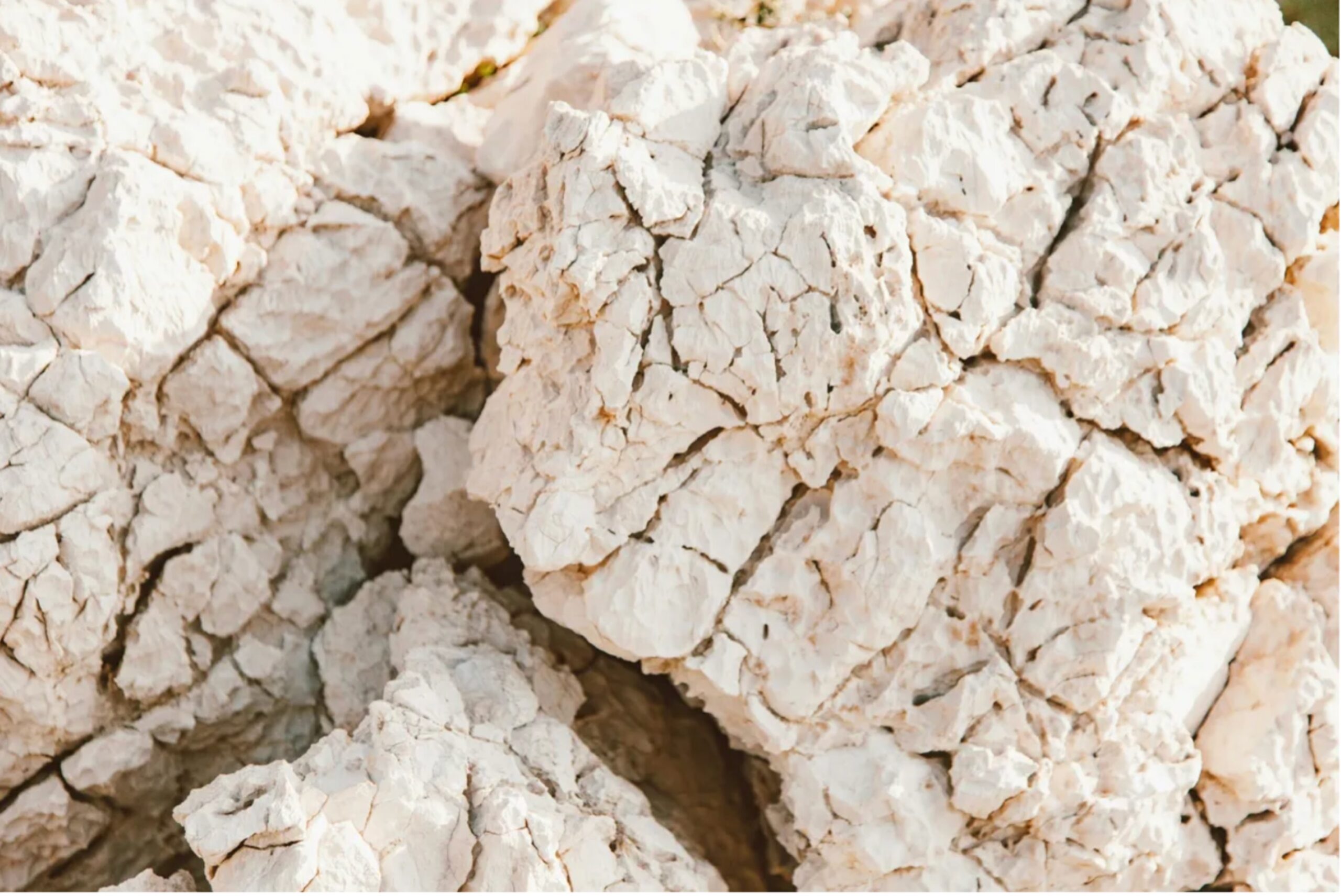
Around a quarter of South Africa’s entire Chardonnay production is planted in Robertson. The grape arrived here in complicated circumstances. In the late 1970s and early 1980s, winemakers, including Danie de Wet of De Wetshof Estate, smuggled Chardonnay cuttings into South Africa to circumvent the KWV’s strict production regulations, changing the course of South African white wine. Robertson Chardonnay is distinct. The limestone gives it backbone, the heat gives it body, and the cool nights preserve freshness. In the glass, expect rich lemon peel, baked pear and stone fruit, or something closer to green apple and flint in cooler, more restrained styles. But what they share is texture, a weight on the palate that does not tip into heaviness, and a chalky minerality due to Robertson’s main defining feature: limestone soils or Calcrete. Its geology also explains why the valley has become one of the country’s most important sources of Cap Classique. The region’s producers, including industry heavyweights Graham Beck, Viljoensdrift and Silverthorn, have embraced this with such commitment that they have dubbed themselves the Limestone Cowboys.
Robertson is now turning this geological advantage into a regional wine category of its own. Calcrete, launched in 2023 by Weltevrede, De Wetshof, Rietvallei, Excelsior and Van Loveren, is a registered name reserved for approved, unwooded Chardonnay made from Wine of Origin Robertson fruit grown in the limestone-rich corridor between Robertson and Bonnievale. The Calcrete custodians taste and approve each wine against a shared stylistic standard: pale, linear and mineral, with citrus, wet-stone, salinity and chalky freshness. The idea takes its cue from Chablis, where Chardonnay, place and style are inseparable. Robertson’s aim is equally focused: to establish Calcrete as a recognised category shaped by the valley’s own geology.
While Chardonnay and Cap Classique carry Robertson’s reputation, the valley’s red wines are worth serious attention. Shiraz does particularly well, with the high temperatures bringing out dark berry fruit and plum, while the cooler nights introduce white pepper, earthiness, and enough structure to make it age-worthy rather than merely approachable. The alluvial soils along the Breede River suit Cabernet Sauvignon and Merlot, while Sauvignon Blanc offers a brighter, more citrus-driven style than the coastal regions.
At Belthazar, we pour wines that earn their place on our wine list – and Robertson earns it consistently. Come and taste what limestone and a cool night’s breeze can do.
28 July 2026
