


Durbanville Wine Valley may sit only a short 20-minute drive from Cape Town’s city centre, but it feels a world apart. If Stellenbosch and Franschhoek are the headline acts, Durbanville is the cult favourite – understated, but unforgettable once discovered.
Wine has been part of Durbanville’s DNA since 1698, when freehold farms were first recorded in the Tygerberg district. By 1702, vineyards were already producing wine, predating the very establishment of the town itself. Travellers would stop at a spring in what was then Pampoenekraal to refresh themselves on their way north, and soon the settlement grew into a thriving farming hub. By the late 18th century, petitions for land, churches and schools led to the village officially being laid out, and in 1836, it was renamed Durbanville in honour of Cape Governor Sir Benjamin D’Urban.
Durbanville is one of South Africa’s coolest wine-growing regions, its valley funnelling southerly breezes straight off False Bay, while the West Coast lies a mere 13 kilometres away. Afternoon winds sweep up through the vineyards, tempering the heat of the day and slowing the ripening of the grapes. Vineyards climb between 250 and 400 metres above sea level, where altitude lends another degree of freshness. A mosaic of microclimates allows growers to match grape to slope with remarkable precision: Sauvignon Blanc and Chardonnay on shaded, north-facing aspects, red cultivars like Shiraz, Merlot and Pinotage basking on the sunnier slopes.
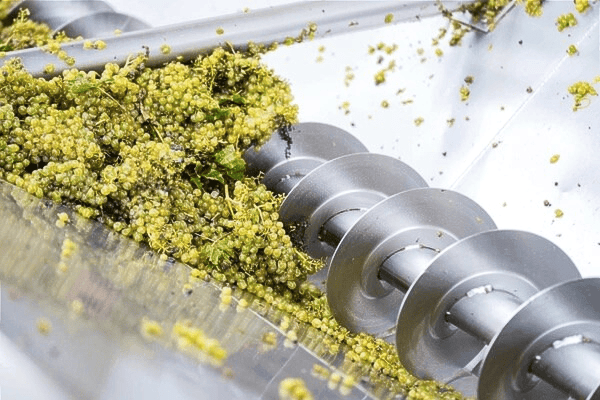
It is here, in these windswept vineyards, that Sauvignon Blanc has risen to the fore. Herbaceous and flinty, with that unmistakable green streak sharpened by the valley’s cool climate, Durbanville Sauvignon Blanc has become something of a benchmark. Its freshness speaks of morning mists and salty air, its intensity of slow ripening. But there is variety too – from the zippy citrus and nettle of higher, wind-exposed parcels to the riper tropical layers coaxed from sheltered slopes. It is no surprise that nearly 40% of the valley’s plantings are devoted to this cultivar, its signature purity and precision celebrated both locally and abroad. Alongside it, Chardonnay, Shiraz and Pinotage thrive, while Merlot and Cabernet Sauvignon add depth. Even lesser-seen varieties like Riesling and Grüner Veltliner have found a foothold here, proof of Durbanville’s adaptability and growers’ restless curiosity.
Yet Durbanville is more than a collection of soils and statistics. It is a community of multi-generational farmers who have learned to listen to the land, balancing innovation with tradition. Some estates are household names with global acclaim; others are boutique, family-run cellars where hospitality is as much a part of the experience as the wine.
Durbanville may not shout as loudly as its neighbours, but it doesn’t need to. Its wines whisper of cool winds, shale soils and centuries of know-how. They carry with them the quiet confidence of a region that has always known its worth. At Belthazar, we celebrate the timeless craft of a valley that continues to set the standard for cool-climate winemaking.
20 November 2025
